Digital Pianos Review
Strich SDP-350W Review: Furniture Style Hammer Action
The Strich SDP-350W is a lower mid-range furniture digital piano with an 88 key hammer action, 128 note polyphony, and a full bundle that includes a stand, three pedals, headphones and a dust cover. This review examines the published specs and the important details the listing leaves out.
Our Verdict
Research Score 70/100The Strich SDP-350W looks like a strong value for a first home piano. It lists an 88 key hammer action, 128 note polyphony, 128 timbres, 200 rhythms, a 20 watt speaker system and a complete furniture bundle with cover, stand and three pedals. The main unknowns are key action quality, piano sample authenticity, total weight and wireless protocol. For a beginner who wants an all in one living room piano at a lower mid-range price, this is worth a close look. Buyers who need a proven key action or detailed specs should compare with established budget models first.
Editorial research score based on published specifications and documented features, not a customer rating or lab test.

Strich
Strich SDP-350W
Best for: Beginners and casual players who want a complete furniture style home piano with a dust cover, three pedals and a stand at a lower mid-range price.
Skip it if: You need a lightweight portable slab, a proven key action from a known brand, or detailed published specifications before buying.
Check Price on AmazonWe may earn a commission at no extra cost to you.
Listing verified: October 2026
Who Should Buy It
Buy it if
- A first time piano buyer who wants an all in one package
- Someone with a living room or bedroom where a furniture style piano fits
- A casual player who enjoys rhythms, auto chord and many sounds
- A student who will use a teaching app through USB or wireless connection
Skip it if
- You need a portable keyboard for gigs or travel
- You insist on a known key action brand with published specs
- You want a proven acoustic piano sample from a major manufacturer
Key Specifications
| Keys | 88 |
| Key action | Hammer-action fully weighted with simulated ivory texture |
| Polyphony | 128 max |
| Sounds | 128 preset timbres, 200 drum rhythms |
| Speakers | 20W |
| Connectivity | Audio in, USB MIDI, wireless connection mentioned |
| Bluetooth | Not published in listing |
| Pedals included | Three pedals |
| Weight | Not published in listing |
| Included accessories | Furniture stand, headphones, three pedals, flip top key cover, power adapter |
Overview
The Strich SDP-350W appears in its product listing as a lower mid-range furniture style digital piano with an 88 key hammer action and a walnut wood grain finish. The listing emphasizes a home piano aesthetic and includes a flip top key cover, a furniture stand, three pedals and headphones. On paper this positions the SDP-350W as an all in one package for a living room or bedroom, with the look of a piece of music furniture rather than a portable keyboard.
The listing publishes several core specifications such as 128 note max polyphony, 128 preset timbres, 200 drum rhythms and 20 watt speakers. However it does not state the weight, the exact dimensions, the key action manufacturer or the piano sample source. This mix of published headline features and missing details is common for lower mid-range digital pianos from smaller brands, and it means the buyer must weigh the attractive bundle against the unknown components inside.
Because this review is based only on the listing and not direct product testing, the evaluation below treats those published numbers as claims. General knowledge about what these features mean is used to provide context, but no specification is invented. Buyers should pay close attention to what is not stated, especially for key feel, longevity and the true character of the main piano sound.
Key Action
The listing describes the SDP-350W as having 88 fully weighted, full size keys with hammer action and a simulated ivory texture. That combination is meant to reproduce the feel of a grand piano, and it is the most important claim for a digital piano in this category. The presence of 88 keys is confirmed in the listing title, which is good for developing proper finger spacing and reaching low bass notes and high treble notes just as on an acoustic piano.
The key action brand is not published, so buyers cannot compare it directly to the known actions from Yamaha, Roland, Kawai or Casio. Fully weighted hammer action designs can range from basic spring assisted mechanisms to more refined triple sensor systems with graded weight from bass to treble, and the listing does not clarify which type is used. The simulated ivory texture suggests some attention to surface feel and moisture absorption, but no information is given about repetition speed, key noise or long term key stability.
On paper the SDP-350W should offer a more piano like experience than unweighted or semi weighted budget keyboards. For a beginner this may be enough to build finger strength and proper technique, but advancing players who need fast trills, subtle dynamic control or a graded weight across the keyboard may find the undefined action a risk. Comparing with entry level models from major brands, many of which publish their action technology and graded weighting, would be wise before buying.
Piano Sound and Speakers
The SDP-350W lists a maximum polyphony of 128 notes, which is a solid number for this price tier and allows complex pedal work, layered sounds and sustained chords without note dropouts. It also offers 128 preset timbres and 200 drum rhythms, so the sound engine appears flexible for practice, casual arranging and exploring different instrument voices beyond a plain acoustic piano. The listing does not name the piano sample source or the sound engine technology, so the quality and realism of the main piano voice remain unknown.
The onboard speaker system is rated at 20 watts total, which is modest but typical for a furniture digital piano in this range. The listing does not state the speaker size, number of drivers or enclosure design, so projection and bass response are hard to predict. In a living room the 20 watt output should be enough for solo practice and playing with a backing track through the audio input, but it may struggle to fill a larger space or compete with other acoustic instruments.
Without direct listening, the piano tone quality cannot be judged. The published polyphony and timbre count suggest competent specifications on paper, but the character of the acoustic piano sample is the heart of any digital piano. Buyers who prioritize realism should try to hear demos or compare with reference models that have a documented piano sample and known sound engine. For a casual player or beginner, the variety of sounds and rhythms may be more immediately satisfying than a single high quality piano voice.
Features and Modes
The listing mentions several practical features including layer, split, octave shift and transpose. Layer allows two sounds to play at once across the full keyboard, split assigns different sounds to the left and right hands, octave shift moves the pitch range for creative sound design, and transpose changes the key of the whole instrument without moving your fingers. These are useful for playing along with songs, accompanying singers or experimenting with orchestral textures.
Educational tools include built in demos and a dual keyboard mode, which the listing suggests can help beginners start learning. The dual keyboard mode likely splits the keyboard into two identical zones with the same pitch range, so a teacher and student can sit side by side at the same instrument. The inclusion of 200 rhythms and an intelligent auto chord function makes the instrument more useful for arranging, jam sessions and playing popular styles, turning a plain piano into a one person band.
The listing does not mention a built in metronome, song recorder or structured lesson library beyond the demos. Those omissions may matter to some buyers, but the advertised app connection could fill some of those gaps through external software that runs on a tablet or phone. For a beginner focused on traditional piano study, the lack of a documented lesson system may be a drawback, but the dual keyboard mode and app connectivity provide a foundation for learning.
- Layer and split for two sounds
- Octave shift and transpose for key changes
- Chorus effect for tone shaping
- 200 drum rhythms and auto chord
- Built in demos and dual keyboard for learning
Build, Design and Portability
The SDP-350W has a walnut wood grain finish and a flip top key cover, which the listing presents as a furniture grade solution for living rooms, bedrooms or studios. The cover protects the keys from dust and scratches when the piano is not in use, and it gives the instrument a cleaner closed look that blends with home decor. The furniture stand is included, so the piano is intended to stay in one place rather than travel, and it creates a console style appearance similar to a small upright piano.
The piano includes a furniture stand, so it is intended to stay in one place rather than travel. The listing does not publish the total weight or the assembled dimensions, so buyers cannot judge how heavy the unit is or how much floor space it needs. This missing information matters for apartment dwellers, people with stairs, and anyone who may need to move the piano between rooms or upstairs. The wood grain finish and cover add aesthetic appeal but also add weight and bulk beyond a portable slab keyboard.
The three pedal unit and the stand suggest that the SDP-350W is built as a home console. The cover mechanism adds moving parts, and without a published weight or hinge design, long term durability is not clear. The listing says installation is simple, which may be a point in favor for buyers who dislike complicated assembly. Still, the lack of weight and size data is a notable omission for a furniture piano, because moving and placement are important daily considerations.
Connectivity
The listing states that the SDP-350W can connect to a teaching app on an iPad or phone through wireless and USB MIDI connections. This is useful for self study and composition, and it suggests some level of smart device integration that is becoming standard on modern digital pianos. The listing does not name the compatible apps or specify the wireless protocol, so buyers cannot assume Bluetooth unless it is confirmed separately. Many teaching apps work over USB MIDI with a standard cable, which is more predictable.
There is an audio input port that allows external audio signals to play through the piano's own 20 watt speakers, so a phone or tablet can provide backing tracks, lesson audio or a metronome click alongside your playing. This is a practical feature for practice and casual play, because you can hear everything through one set of speakers without a mixer. The listing does not mention standard MIDI DIN ports, line outputs or whether a headphone jack is present, though almost all digital pianos include a headphone jack for silent practice, and the included headphones imply this.
Since the listing says wireless but not Bluetooth by name, the exact wireless capability is unclear. It could be Bluetooth MIDI or a proprietary wireless connection that works only with a specific app. Buyers who need a specific connection type, such as Bluetooth audio for streaming songs wirelessly, should confirm the details before purchase. The USB MIDI connection is more defined and should work with class compliant devices on computers and tablets, making it the more reliable option for learning apps and recording.
Setup and Accessories
The package includes a furniture stand, a three pedal unit, headphones, a flip top key cover and the power adapter. That is a fairly complete beginner bundle for a home piano, and it reduces the extra purchases needed to start playing. The listing emphasizes simple installation, and the wood grain finish is meant to blend with home decor, so setup should be straightforward and visually appealing.
The power adapter specification is published as input AC 100 to 240 volts and output DC 12 volts 3 amps, with a 5.5 mm by 2.2 mm barrel connector. This is a common specification and suggests international voltage compatibility, meaning the piano can be used in different countries with only a plug adapter. The listing does not state the length of the power cable or whether a bench is included, so buyers may need to add a seat and ensure a power outlet is close enough to the piano location.
The three pedals are included, which is important because many budget digital pianos only include a single sustain pedal. Soft and sostenuto pedals are likely part of the three pedal unit, but the listing does not describe their functions or whether they are progressively weighted. The headphones are a basic accessory and may not be high quality, but they allow silent practice immediately. The flip top cover is a nice addition for dust protection and gives the piano a finished look when closed.
Daily Use
For daily practice at home, the SDP-350W offers a closed cover to keep dust off, a stand that keeps the keyboard at a stable height, and three pedals for more complete piano technique. The 20 watt speakers should be adequate for solo playing in a small to medium room, and the simulated ivory texture on the keys may help prevent slipping during longer practice sessions. The furniture stand likely places the keyboard at a standard height similar to an acoustic piano, which helps with posture.
The wireless and USB MIDI options mean a student can connect a tablet for lesson apps or play along with audio through the audio input, so the piano can become part of a digital learning setup. The built in rhythms and auto chord can make practice more engaging, especially for younger players who enjoy variety, and the dual keyboard mode may help teacher and student work at the same instrument without sharing one bench. The ability to connect a phone to play backing tracks or song tutorials through the speakers adds everyday convenience.
Because the weight is not published, buyers who expect to move the piano between floors or rooms should plan for a heavy furniture unit. The dust cover is useful daily, and the simple controls implied by the listing suggest that basic functions are not buried in menus. However, the absence of a visible control panel in the product images or a described button layout means users will rely on the printed manual to access the many sounds and rhythms. The headphones allow silent practice at night, which is a key benefit for apartment living.
Who Should Buy It
The Strich SDP-350W is best for a beginner or casual player who wants a complete furniture style digital piano without buying a stand, pedals and cover separately. The walnut wood grain finish and flip top cover make it suitable for a living room that doubles as a music space, and the all-in-one bundle reduces the complexity of starting piano from scratch. Families with young learners may appreciate the included headphones and the dust cover that protects the instrument when not in use.
It also suits buyers who want many sounds and rhythms to explore beyond a plain piano voice. The 128 timbres and 200 rhythms offer more variety than some basic digital pianos in this price tier, and the auto chord function can make playing along with rhythms more accessible for those without formal music theory. The lower mid-range price with all accessories is attractive for a first piano setup, especially for someone who is not yet sure how long they will continue playing.
Skip it if you need a lightweight portable keyboard for gigs, band practice or travel, because the furniture stand and cover make it a stationary home instrument. Skip it if you insist on a proven key action from a major brand with published specifications, or if you need a known high quality acoustic piano sample for advanced repertoire. Also skip it if you need detailed weight and dimension data to plan your living space, because the listing leaves those out.
Verdict
The Strich SDP-350W looks like a strong value on paper for a first home piano. It lists an 88 key hammer action, 128 note polyphony, 128 timbres, 200 rhythms, a 20 watt speaker system and a full furniture bundle with cover, stand and three pedals. The lower mid-range price tier makes it competitive with entry level models from larger brands that often cost more for the same accessory list, although those larger brands usually publish more detailed specifications.
The main unknowns are the key action quality, the piano sample authenticity, the total weight and the specific wireless protocol. A lower price and generous specs can be appealing, but the feel and sound are the two most important things in a digital piano and cannot be judged from this listing alone. Buyers who can test or hear the instrument first will be more confident, but those shopping online should accept some risk. The inclusion of a dust cover and three pedals is a genuine practical advantage for a home setup.
Overall the SDP-350W deserves consideration as a budget conscious furniture piano purchase, especially for beginners who value the included cover and three pedals. It is not a proven stage or studio tool, and its long term reliability is untested in this review. The score reflects strong listed features offset by missing specification details, particularly around the key action and sound engine. For a complete home starter bundle at a lower mid-range price, it is worth a close look, but serious pianists should compare with established models before committing.
Strengths and Limitations
Strengths
- 88 fully weighted hammer action keys as listed
- 128 note max polyphony plus 128 timbres and 200 rhythms
- Includes furniture stand, three pedals, headphones and dust cover
- 20 watt speakers with audio input for external devices
- Wireless and USB MIDI options for teaching apps
Limitations
- Key action brand and piano sample source not published
- Weight and dimensions are missing from the listing
- Wireless protocol is not named as Bluetooth
- Speaker driver configuration is unclear
- No warranty or app compatibility list provided
How We Scored It
Scores reflect published specifications, documented features and value against the alternatives below. They are editorial research scores, not laboratory measurements.
Alternatives to Consider

Casio CDP-S160
Beginners and casual players who need a light, slim piano that can run anywhere
Read the Casio CDP-S160 review →
Roland FP-10
Beginners who want the best key feel available under the entry price ceiling
Read the Roland FP-10 review →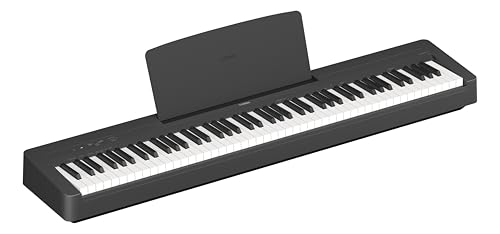
Yamaha P-145
Beginners who want the current Yamaha entry model with app control and a slim footprint
Read the Yamaha P-145 review →Head-to-Head Comparisons
- Strich SDP-350W vs AODSK UPB-83S Compare →
Questions Buyers Ask
Strich SDP-350W
See the current listing, price and included accessories.
About This Review
Mandrillis Team
The Mandrillis editorial team researches and compares audio and music gear using manufacturer documentation, verified specs and real buyer feedback, so you can make a confident purchase without wading through marketing claims.
Read our full research methodology.