Digital Pianos Review
Yamaha P71 Review: Weighted Keys, Simple Controls
The Yamaha P71 is a lower mid-range 88 key digital piano with weighted touch sensitive keys, 10 voices, and a dual layer mode. The listing includes a sustain pedal and power supply. It keeps controls simple, but several technical specifications are not published, so shoppers should know what is missing.
Our Verdict
Research Score 78/100The Yamaha P71 is a sensible lower mid-range choice for players who want Yamaha's weighted key feel and piano voice in a simple, focused package. The listing confirms 88 weighted touch sensitive keys, 10 sounds, dual mode, and an included sustain pedal and power supply. It does not publish polyphony, speaker output, weight, dimensions, or detailed connectivity, which tempers any feature based recommendation. On paper, this appears to be a reliable entry instrument for practice and basic performance, especially for beginners. Shoppers who need app control, Bluetooth, or a large sound library should look elsewhere, but those who prioritize a no fuss piano experience will find the P71 easy to understand and use.
Editorial research score based on published specifications and documented features, not a customer rating or lab test.

Yamaha
Yamaha P71
Best for: Beginners and returning players who want an 88 key weighted action and a trusted Yamaha piano voice in a simple lower mid-range instrument.
Skip it if: Avoid if you need published polyphony, speaker output, Bluetooth, or detailed connectivity before buying.
Check Price on AmazonWe may earn a commission at no extra cost to you.
Listing verified: October 2026
Who Should Buy It
Buy it if
- Beginners who want weighted keys without many extras
- Parents seeking a simple practice instrument for piano lessons
- Players who prioritize Yamaha piano tone over a large sound library
- Anyone who wants a focused piano replacement with included pedal and power supply
Skip it if
- You require a full published spec sheet before purchase
- You want Bluetooth audio, MIDI, or app integration
- You prefer a larger sound palette or arranger features
Key Specifications
| Keys | 88 |
| Key action | Weighted action, touch sensitive (listing does not name the specific mechanism) |
| Polyphony | Not published in listing |
| Sounds | 10 voices |
| Speakers | Not published in listing |
| Connectivity | Not published in listing |
| Bluetooth | Not published in listing |
| Pedals included | Sustain pedal |
| Weight | Not published in listing |
| Included accessories | Sustain pedal and power supply |
Overview
The Yamaha P71 is a lower mid-range digital piano aimed at players who want an 88 key weighted action in a simple home instrument. The product listing describes 88 touch sensitive weighted keys, 10 built in voices, and a dual mode for layering two sounds. It also confirms that a sustain pedal and power supply are included, which supports immediate setup.
This model is presented as an online exclusive variant of Yamaha's entry weighted keyboard line. The listing does not publish several technical details including polyphony, speaker output, weight, dimensions, and most connectivity options. Buyers who prefer a complete spec sheet before purchase may find that lack of published information frustrating, but the core piano essentials are clear enough.
Compared with other entry weighted models from Roland, Casio, and Kawai, the P71 focuses on fundamentals rather than app driven features or extensive sound libraries. The listing positions it as a straightforward piano replacement for practice, lessons, and casual performance. That simplicity can be a strength for the right buyer.
Key Action
The listing states that the P71 has 88 weighted keys with touch sensitivity, which means the keyboard responds to playing velocity for dynamic expression. Weighted action is an important feature for building proper finger strength and transitioning to an acoustic piano. The listing does not name the specific action technology, so the exact mechanical feel cannot be confirmed from the published data alone.
The phrase weighted action in this price tier usually indicates a graded hammer style mechanism, but without the listing naming it, any specific claim would be speculation. What is clear is that the keys are not unweighted synth style keys. The touch sensitive response is described as allowing true expression and dynamic performance.
For a lower mid-range digital piano, this is the most critical specification and the listing gets the main point across. Beginners and returning players should find the keybed acceptable for daily practice, though advanced pianists may want a more detailed action description before buying.
Piano Sound and Speakers
The listing says the P71 includes 10 unique voices, led by a Yamaha grand piano sound with full dynamic range and deep bass. This points to the familiar Yamaha sampled piano tone that many players recognize from the brand's stage and home keyboards. The listing does not publish the polyphony count, which matters for sustained passages and layered playing.
The phrase full dynamic sound and deep bass is marketing language, but on paper it suggests a focused effort on the piano voice rather than a large library of instruments. A 10 voice set is modest by modern standards, and buyers who want electric pianos, organs, strings, and synths beyond the basics may find it limiting. The included dual mode allows two voices to be layered, which adds some variety.
Speaker details are not published in the listing, so output wattage, driver size, and sound projection are unknown. Without those specifications, it is hard to evaluate how the onboard speakers fill a room. Buyers who need louder volume or richer low end may need to use headphones or external amplification, but the listing does not confirm headphone output or audio connections.
Features and Modes
The P71 keeps its feature set intentionally basic. The listing highlights one button operation and streamlined functionality, which suggests that players will not spend much time menu diving. Dual mode is the main feature beyond voice selection, letting two sounds play together.
The front panel appears to prioritize quick access to voices and simple adjustments, but the listing does not describe any metronome, transpose, tuning, or recording functions. Some entry digital pianos include a metronome or split mode, but those are not mentioned here. Buyers should treat the P71 as a play and practice instrument rather than a feature rich arranger.
- 10 voices including a Yamaha grand piano
- Dual mode for layering two sounds
- One button operation
- Touch sensitive weighted keys
- Sustain pedal included
- Power supply included
Build, Design and Portability
The listing does not publish the instrument's weight, dimensions, or cabinet material. This makes portability hard to assess from the data alone. Based on the product category, this is likely a compact slab style digital piano, but the lack of published size and weight is a notable gap.
The design language is described as focused and simple, with controls kept to a minimum. There is no mention of a furniture stand, three pedal unit, or matching bench, so the P71 is intended to sit on a table or keyboard stand. The included single sustain pedal is a small square style pedal common in this tier, though the listing does not specify its exact model.
Without published weight, buyers who plan to move the instrument to lessons or gigs should check the physical unit before assuming easy transport. The lower mid-range price usually corresponds to a portable slab body, but that remains an assumption rather than a stated fact.
Connectivity
The listing does not publish a connectivity section in the provided data. It mentions a sustain pedal input and power supply, but there is no stated USB, MIDI, line out, or headphone jack. For a modern digital piano, USB MIDI and a headphone output are common expectations, but their presence cannot be confirmed from this listing.
Bluetooth is not mentioned at all, so buyers should assume no wireless audio or MIDI. The omission of any connectivity details is one of the weakest parts of this product listing. It leaves open questions about how the P71 interacts with computers, tablets, or external audio gear.
If the physical unit includes the typical Yamaha headphone and sustain connections, the listing does not say so. Shoppers who need a specific connection should verify with the manufacturer or seller before purchase. This lack of transparency lowers the connectivity score.
Setup and Accessories
The listing confirms that the P71 ships with a sustain pedal and power supply. That is a helpful bundle for a lower mid-range digital piano, as some competitors sell those separately. The sustain pedal is described as allowing subtle variations and greater expression, which is important for pedal technique.
Setup should be straightforward. The instrument is likely ready to play once the power supply is connected and the pedal is plugged in. The listing does not describe any software installation, firmware updates, or app pairing, so the out of box experience appears simple.
Missing accessories include a keyboard stand, bench, and headphones. Buyers should budget for a stand and a good pair of headphones for quiet practice. The lack of a printed manual or quick start guide is not mentioned, but most Yamaha products include basic documentation.
Daily Use
In daily practice, the P71's weighted keys and simple controls should make it easy to sit down and play without distractions. The touch sensitivity means exercises and repertoire can be played with dynamics, and the included sustain pedal supports expressive pedaling from the first session.
The 10 voice selection is enough for piano focused practice, and the dual mode adds a layer for occasional creative playing. Without a published polyphony number, there is a small risk that advanced pieces with heavy sustain and layering could exhibit note dropouts, but that is speculative based on the listing.
The unknown speaker output means daily use volume and tone will depend on the actual hardware. Headphone practice is likely possible on a digital piano of this type, but the listing does not confirm a headphone jack. If confirmed, silent practice would be a major benefit for apartment and late night players.
Who Should Buy It
The P71 is best suited to beginners and returning pianists who want an 88 key weighted action and a trusted piano voice without spending on extra features. It fits lower mid-range budgets that prioritize the keyboard and sound over apps, rhythms, and synthesizer options.
It is also a good option for parents looking for a no fuss practice instrument for a child starting piano lessons. The simple one button operation reduces distractions and keeps the focus on playing. The included sustain pedal and power supply remove two common starter purchases.
Players who already know they want Yamaha's piano sound and weighted feel will find this model easy to understand. Those who want a more feature rich experience with Bluetooth, USB audio, or a large sound library should look at other options.
Verdict
The Yamaha P71 delivers the core elements of an entry digital piano: 88 weighted touch sensitive keys, a Yamaha grand piano voice, dual mode, and a sustain pedal in the box. The lower mid-range price makes it a sensible practice instrument for beginners.
However, the listing's failure to publish polyphony, speaker output, weight, dimensions, and connectivity details is a real drawback. It forces buyers to make assumptions about the hardware, which is not ideal for an informed purchase. The feature set is intentionally basic, which is fine, but transparency about specs would improve confidence.
On balance, the P71 is a solid on paper recommendation for players who value simplicity and piano fundamentals over bells and whistles. Buyers who need a full spec sheet, wireless features, or a wide sound palette should explore other models. For its target audience, the P71 is easy to recommend with the caveat to verify the missing details.
Strengths and Limitations
Strengths
- 88 weighted touch sensitive keys
- Yamaha grand piano voice among 10 sounds
- Dual mode for layering two voices
- Simple one button operation
- Sustain pedal and power supply included
- Lower mid-range price for a weighted Yamaha
Limitations
- Listing omits polyphony, speaker power, and connectivity details
- No Bluetooth or app support described
- Only a single sustain pedal included
- No published weight or dimensions
- Limited 10 voice sound set
How We Scored It
Scores reflect published specifications, documented features and value against the alternatives below. They are editorial research scores, not laboratory measurements.
Alternatives to Consider

Casio CDP-S160
Beginners and casual players who need a light, slim piano that can run anywhere
Read the Casio CDP-S160 review →
Roland FP-10
Beginners who want the best key feel available under the entry price ceiling
Read the Roland FP-10 review →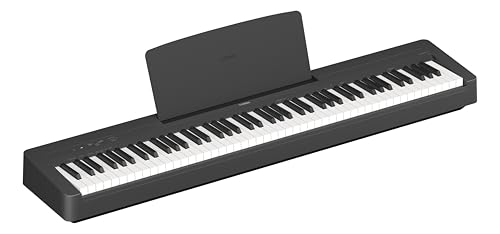
Yamaha P-145
Beginners who want the current Yamaha entry model with app control and a slim footprint
Read the Yamaha P-145 review →Head-to-Head Comparisons
- Yamaha P71 vs Alesis Recital Pro Compare →
Questions Buyers Ask
Yamaha P71
See the current listing, price and included accessories.
About This Review
Mandrillis Team
The Mandrillis editorial team researches and compares audio and music gear using manufacturer documentation, verified specs and real buyer feedback, so you can make a confident purchase without wading through marketing claims.
Read our full research methodology.