Digital Pianos Review
AODSK UPB-83S Review: Weighted Budget Home Piano
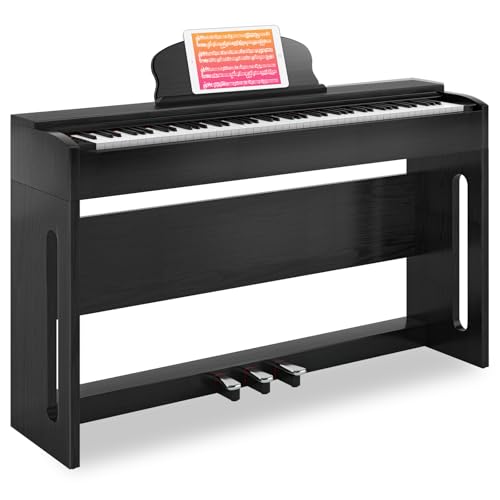
The AODSK UPB-83S packs an 88 key weighted action, 128 timbres, three pedals, and a stand into a budget home digital piano. Its heavy wooden cabinet and dual headphone outputs make it a practical student option, though several speaker and sound specs remain unpublished.
Our Verdict
Research Score 58/100On paper, the AODSK UPB-83S is a sensible budget home piano for beginners. The listing specifies 88 fully weighted keys, 128 note polyphony, 128 timbres, dual headphone jacks, three pedals, and a stand. Those are useful foundations for practice. However, the listing leaves out key details such as speaker wattage, exact action design, and Bluetooth. The 71.2 lb wooden cabinet suggests a stable but stationary setup. Buyers should treat the action and piano sound as unverified until they try it or read more detailed user feedback. For the tier, the included accessories and beginner course add real value. We rate the package 58 out of 100 based on published information.
Editorial research score based on published specifications and documented features, not a customer rating or lab test.
AODSK
AODSK UPB-83S
Best for: A beginner or student who wants a furniture style 88 key weighted piano with pedals and a stand in a budget package.
Skip it if: You need a lightweight portable slab or published Bluetooth and speaker specifications.
Check Price on AmazonWe may earn a commission at no extra cost to you.
Listing verified: October 2026
Who Should Buy It
Buy it if
- Beginners who want a full 88 key weighted action at home
- Students who need a stand and three pedals without separate purchases
- Households that want dual headphone practice for two people
- Buyers who prefer a wooden furniture style cabinet
Skip it if
- You need to move the piano often
- You require Bluetooth audio or app integration
- You demand proven key action from an established stage piano brand
Key Specifications
| Keys | 88 full-sized weighted keys |
| Key action | Fully weighted professional piano keys |
| Polyphony | 128 |
| Sounds | 128 timbres and 88 demonstration songs |
| Speakers | Built-in amplifier with speakers, wattage not published |
| Connectivity | MP3 input, external speaker or headphone output, dual headphone jack |
| Bluetooth | Not published in listing |
| Pedals included | Three pedals: soft, sustain, sostenuto |
| Weight | 71.2 lbs |
| Included accessories | Stand, pedals, music stand, beginner course access |
Overview
The AODSK UPB-83S is a budget home digital piano that combines an 88 key fully weighted keyboard with a wooden stand and three integrated pedals. The listing presents it as a student and home practice instrument, with an emphasis on a realistic piano feel, multiple sounds, and a beginner course. Published specifications include 128 note polyphony, 128 timbres, 88 demonstration songs, and a built in amplifier with speakers.
This is a furniture style piano rather than a portable slab. At 71.2 lbs and 53.9 by 29.13 by 13.78 inches, it is designed to stay in one room. The listing does not state speaker wattage, Bluetooth, USB, or exact sound engine details, so the review below is based on the published information and general knowledge of budget digital pianos.
Key Action
The listing describes the keybed as fully weighted professional piano keys across a full sized 88 key range. It claims a smooth and high response piano playing experience and says the action allows you to feel like you are playing a real piano. In a budget digital piano, fully weighted keys are a meaningful feature because they require more deliberate finger weight than unweighted synth action keys.
The specific action design is not named. The product data does not mention a graded hammer mechanism, escapement simulation, triple sensor detection, or key surface materials. As a result, the precise weighting, repetition speed, and long term consistency remain unknown from the listing alone. Buyers who prioritize an established action may want to compare this with entry level models from brands with well documented actions.
On paper, the full 88 key range and weighted action are appropriate for building basic piano technique. General knowledge suggests that a weighted action helps students develop finger strength and dynamic control. Still, the absence of technical details means this action should be considered an unverified budget implementation rather than a proven graded hammer system.
Piano Sound and Speakers
The published sound section is stronger on breadth than on detail. The listing lists 128 note polyphony, 128 timbres, and 88 demonstration songs. Polyphony of 128 notes is enough for most beginner and intermediate piano repertoire, reducing the chance of note cutoff when using the sustain pedal or layering sounds. The 128 timbres extend the instrument beyond acoustic piano into strings, organs, and other sounds.
What remains unpublished is the actual piano sound engine. The listing does not say whether the piano samples are derived from a multi layer acoustic grand, how long the samples are, or what brand provides the tone generator. Speaker output is also vague. The listing mentions a built in amplifier and built in speakers but gives no wattage, driver size, or enclosure details. This makes it impossible to judge room filling volume from the published data.
General knowledge of budget digital pianos suggests the onboard speakers should be adequate for a small practice room, but not necessarily for a recital hall. The dual headphone output is more useful for quiet practice than the speakers. Buyers should treat the piano sound as promising on paper but unverified without independent audio or user feedback.
Features and Modes
The AODSK UPB-83S includes several practice and learning tools. The feature bullets list volume adjustment, multi tone selection, recording control, playback, split, and a teaching function. There is also an input for playing MP3 files, which can be useful for playing along with backing tracks. These features are common in budget home pianos, but the recording and split options add everyday value for students.
The dual headphone jack supports up to two headphones simultaneously, a practical feature for teacher and student or two siblings who practice in the same room. The listing also mentions that buyers can contact the seller to receive a 30 day beginner course. This course is not described in detail, but it adds a learning resource to the package.
- 128 note polyphony
- 128 timbres and 88 demonstration songs
- Recording and playback control
- Split mode and teaching function
- MP3 input for external audio
- Dual headphone jacks
Build, Design and Portability
The instrument uses a wooden case and a streamlined design, according to the listing. The dimensions are 53.9 inches wide, 29.13 inches deep, and 13.78 inches high. At 71.2 lbs, this is a heavy home piano. The three pedals are built into the unit and include soft, sustain, and sostenuto functions.
The weight suggests stability during play, which is desirable for a console style digital piano. However, it also makes the UPB-83S difficult to move. Setup or relocation will likely require two people, and this piano is not a good fit for musicians who need to transport an instrument to rehearsals or gigs. The listing does not mention a folding or lightweight design.
The wooden case gives the piano the look of a small furniture piece. The listing does not specify the type of wood, finish durability, or whether the cabinet is made of solid wood or a wood composite. Buyers should expect a home furniture aesthetic rather than a stage ready portable keyboard.
Connectivity
The published connectivity includes an MP3 input and outputs for external speakers or headphones. The headphone jack can accept up to two headphones at once. These audio connections are straightforward and suit a practice environment. The MP3 input allows a phone, tablet, or media player to feed audio into the piano so a student can play along with songs or backing tracks.
The listing does not mention Bluetooth, USB, MIDI, or line outputs. For many buyers, the absence of Bluetooth audio or MIDI over USB is a limitation. Without USB or MIDI, the piano may not connect easily to music software, tablet apps, or recording interfaces. The external speaker output is useful, but the exact jack type and line level are not published.
Overall, the connectivity is basic but adequate for headphone practice and playing along with an external audio source. Buyers who need wireless streaming, app integration, or computer based recording should confirm these features before purchase because the listing does not include them.
Setup and Accessories
The package includes a stand, three pedals, a music stand, and access to a 30 day beginner course. The listing title confirms the stand and pedals, and the feature bullets describe the wooden case and three piano pedals. The music stand is mentioned in the listing title, so it should be part of the package. Headphones are not listed as included accessories.
Assembly is likely required, and the 71.2 lb weight means two people should handle the cabinet and stand. The listing does not specify whether the stand is a separate piece or if the pedals are fixed to the cabinet. It also does not state whether a power adapter is included, although digital pianos typically require one. The beginner course is delivered after the buyer contacts the seller, so the exact format and length beyond 30 days are not fully described.
The accessory bundle is one of the stronger points of this budget package. Many inexpensive pianos do not include a three pedal unit or a stand. The addition of a music stand and beginner course makes the UPB-83S more complete out of the box, assuming all listed items arrive in good condition.
Daily Use
For daily practice, the AODSK UPB-83S has several convenient tools. The recording and playback functions let a student record a phrase and listen back for mistakes. The teaching function and split mode can support separate left and right hand practice or teacher guided exercises. The adjustable volume and dual headphone jacks make silent practice possible for two people.
The MP3 input allows accompaniment tracks to be played through the piano speakers or headphones. With 128 timbres and 88 demonstration songs, a beginner has enough variety to stay engaged. The control panel layout is not shown in the listing, so the ease of switching sounds and modes is unknown. Buyers should expect some menu learning or button combinations common to budget instruments.
Because the piano is heavy and furniture style, it is likely to remain in a dedicated practice area. That can be positive for daily habit building. The adjustable volume reduces conflict with family members or neighbors, especially when headphones are used. Overall, the feature set supports regular home practice without requiring extra gear beyond a pair of headphones.
Who Should Buy It
This piano is best for beginners and students who want a complete furniture style home setup. If you need 88 weighted keys, a stand, and three pedals in one purchase, the UPB-83S offers that at a budget tier. The included beginner course and dual headphone jacks make it practical for households with two learners.
It is also a reasonable option for buyers who want a wooden console look without spending mid range money. The 128 timbres and recording features provide room to explore beyond basic piano sounds. Gift buyers may like that the package includes several accessories at once, but they should consider the 71.2 lb weight and the space required.
Musicians who need to move their piano frequently or who require Bluetooth, USB MIDI, or a proven key action should look elsewhere. The listing simply does not publish enough technical detail to satisfy advanced players or performers. For a stationary first piano, however, the published package is coherent.
Verdict
The AODSK UPB-83S presents a strong value promise for a budget home piano. The listing includes 88 fully weighted keys, 128 note polyphony, 128 timbres, dual headphone jacks, three pedals, a stand, and a beginner course. These are useful features for a student's first instrument. The main unknowns are the exact key action design, speaker output, and the piano sample engine.
We rate the published package 58 out of 100. The score reflects a competitive accessory bundle and solid on paper specifications, but also the missing details and unverified sound and action. If the weighted action and piano sounds perform acceptably in person, the value would be high. Until those are independently confirmed, the review remains cautious.
Strengths and Limitations
Strengths
- Full 88 key weighted action included at a budget tier
- 128 note polyphony and 128 timbres
- Three pedals and a wooden stand are part of the package
- Dual headphone outputs for two players
- Beginner course included
- Recording, playback, split and teaching functions
Limitations
- At 71.2 lbs the unit is not very portable
- Speaker wattage and amplifier details are not published
- No Bluetooth listed
- Key action quality and long term durability are unproven in the listing
- Sound engine source is unspecified
How We Scored It
Scores reflect published specifications, documented features and value against the alternatives below. They are editorial research scores, not laboratory measurements.
Alternatives to Consider

Donner DEP-20
Budget buyers who want weighted keys, loud speakers and a large sound library in one box
Read the Donner DEP-20 review →
Alesis Recital Pro
Beginners who want hammer-action keys and loud speakers for the least money
Read the Alesis Recital Pro review →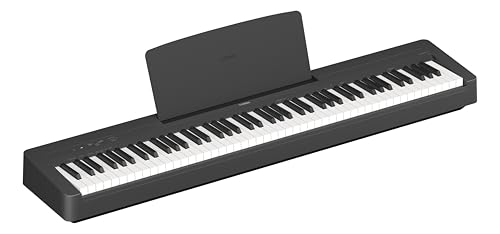
Yamaha P-145
Beginners who want the current Yamaha entry model with app control and a slim footprint
Read the Yamaha P-145 review →Head-to-Head Comparisons
- Strich SDP-350W vs AODSK UPB-83S Compare →
Questions Buyers Ask
AODSK UPB-83S
See the current listing, price and included accessories.
About This Review
Mandrillis Team
The Mandrillis editorial team researches and compares audio and music gear using manufacturer documentation, verified specs and real buyer feedback, so you can make a confident purchase without wading through marketing claims.
Read our full research methodology.