Digital Pianos Review
Plyor P-810 Review: Budget Hammer Action Piano
The Plyor P-810 pairs a full size 88 key weighted hammer action with a triple pedal unit, USB MIDI and a desk mode in a budget friendly package. The listing highlights 128 note polyphony and a grand piano style sound chip, though speaker power and sound count are not published.
Our Verdict
Research Score 68/100The Plyor P-810 is a budget digital piano that puts the emphasis on an 88 key weighted progressive hammer action and a full triple pedal unit. The listing promises 128 note polyphony and a grand piano style sound chip, which looks competitive on paper. However, the absence of published speaker power, sound count, weight and a known sound engine makes it hard to evaluate real world performance. For a beginner who wants a furniture style home setup with USB MIDI and a desk mode, it offers a practical feature set at a budget tier. We rate it 68 out of 100 based on the published specifications and the unknowns in the listing.
Editorial research score based on published specifications and documented features, not a customer rating or lab test.
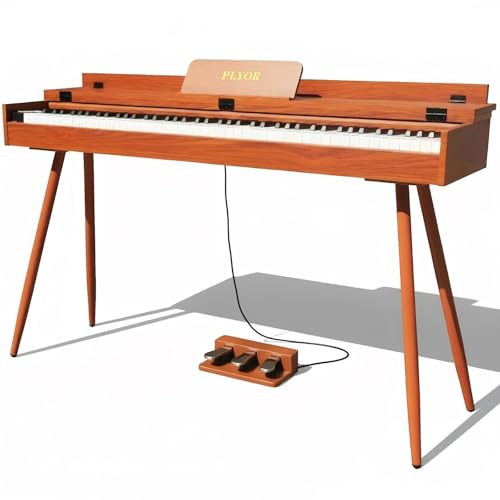
Plyor
Plyor P-810
Best for: Beginners and casual players who want an 88 key weighted action and triple pedals without spending above a budget tier.
Skip it if: You need detailed audio specs, loud built in speakers or a proven brand sound engine.
Check Price on AmazonWe may earn a commission at no extra cost to you.
Listing verified: October 2026
Who Should Buy It
Buy it if
- Beginner pianists building finger strength
- Home players who use headphones
- Budget conscious buyers wanting a full size weighted keybed
- Composers who need USB MIDI for software instruments
Skip it if
- You need stage ready amplification
- You want a known reference brand with established sound engines
- You require Bluetooth audio or app integration
Key Specifications
| Keys | 88 |
| Key action | Weighted progressive hammer action |
| Polyphony | 128 note |
| Sounds | Not published in listing |
| Speakers | Not published in listing |
| Connectivity | USB MIDI, headphone jack |
| Bluetooth | Not published in listing |
| Pedals included | Sustain, soft, sostenuto triple pedal unit |
| Weight | Not published in listing |
| Included accessories | Stand, triple pedal unit, desk mode lid |
Overview
The Plyor P-810 is presented as a budget digital piano for beginners and home players. The listing describes a full size 88 key weighted keyboard, a progressive hammer action, 128 note polyphony, a triple pedal unit and a stand. It also mentions a desk mode that converts the keybed area into a workstation by flipping the lid closed.
On paper this package offers a lot for a budget tier instrument. The inclusion of a full triple pedal unit and a stand is not always standard at this price point. However, the listing does not publish several important specifications, including speaker power, total sound count, weight and the name of the sound engine. That leaves real world performance partly open to question.
Key Action
The listing describes a weighted progressive hammer action across all 88 keys. In general, a progressive hammer action means the lower register has a heavier touch and the higher register feels lighter, similar to an acoustic piano. This design can help beginners develop proper finger strength and dynamic control.
The description does not state the sensor count or the keybed manufacturer, so the exact feel cannot be verified from the listing alone. Entry level models from Yamaha, Roland and Casio often use established keybeds with known consistency, while the Plyor P-810 relies on a less documented action. Without direct evaluation, the promised acoustic feel should be treated as a specification rather than a proven result.
Piano Sound and Speakers
The listing says the sound chip is ultra responsive and recreates grand piano nuances with rich lows and sparkling highs. It also states 128 note polyphony, which is a meaningful specification because it allows complex passages and heavy pedal use without notes cutting out too early.
The number of built in sounds is not published, and the speaker power, driver size and amplifier wattage are also missing from the listing. This makes it impossible to judge how loud or full the onboard sound will be in a room. The headphone jack is confirmed, so silent practice is possible, but buyers who want room filling sound may need to use headphones or add an external amplifier through an unspecified output.
Features and Modes
The control panel on the Plyor P-810 includes tone selection, recording, split mode for duets and a desk mode. Split mode lets two players use different sections of the keyboard at the same time, which can be useful for lessons. The recording function allows you to capture practice sessions without extra gear.
The flip lid desk mode is a practical feature for small rooms. When the lid is closed, the keyboard area becomes a flat surface, which can serve as a desk or a place for a laptop. The triple pedal unit adds sustain, soft and sostenuto, giving more expressive control than a single sustain pedal.
The following features are highlighted in the listing:
- 88 weighted hammer action keys
- 128 note polyphony
- Triple pedal unit with sustain, soft and sostenuto
- USB MIDI connectivity
- Headphone jack for quiet practice
- Desk mode with flip lid
Build, Design and Portability
The Plyor P-810 includes a stand and a triple pedal unit, and the listing shows a brown finish. The flip lid is described as sturdy, which supports the desk mode function. However, the overall weight and dimensions are not published, so portability is unclear.
Budget digital pianos in this class often use a mix of plastic and composite materials for the keyboard chassis and a simple stand. Without published material details, long term durability is unknown. The desk mode suggests a home oriented design rather than a portable stage instrument, and the triple pedal unit adds stability for seated practice.
Connectivity
The listing confirms USB MIDI connectivity for connecting to a PC, Mac or MIDI device. This allows the Plyor P-810 to control software instruments, record MIDI data into a DAW or work with notation software. A headphone jack is also included for private listening.
There is no mention of Bluetooth, audio line outputs or USB audio streaming. The connectivity is therefore basic but adequate for home composing and practice. If you need wireless audio or app based learning features, this model may feel limited. For a budget instrument, the USB MIDI port is the main studio connection.
Setup and Accessories
The listing includes a stand and a triple pedal unit in the package. The desk mode uses the flip lid already built into the keyboard. A bench, dust cover, printed manual or instructional content are not mentioned, so buyers should not assume those extras are included.
Assembly usually involves attaching the stand and pedal unit to the keyboard, which is straightforward for most digital pianos. Because the weight is not published, it is hard to say whether one person can handle the setup alone. The listing does not mention a dedicated app, so setup is likely limited to physical assembly and basic connection.
Daily Use
For daily practice, the Plyor P-810 offers a full 88 key weighted action and three pedals, which are the core tools for building classical and pop technique. The headphone jack supports silent practice, and the recording function helps you review your playing. Split mode can be handy for teacher and student duets.
The unknown speaker power means you may need headphones for a satisfying sound experience. The desk mode is useful in small apartments because the instrument can double as a workspace. Without published weight, moving it from room to room may be more effort than expected, but the included stand and pedal unit suggest a fixed home setup.
Who Should Buy It
The Plyor P-810 is best suited to beginner players who want an acoustic style weighted action on a budget. It also works for casual home players who want a full size keyboard with a triple pedal unit and a stand included. Composers who need USB MIDI for software instruments will find the connectivity useful.
This model is not the best fit for stage performers who need loud built in speakers or multiple line outputs. Players who care about a proven brand sound engine, detailed velocity layers or a large library of built in sounds may want to look at more established reference models. The same goes for anyone who needs Bluetooth audio or app integration.
Verdict
The Plyor P-810 scores 68 out of 100 in this review. The listing shows a thoughtful set of beginner focused features, including an 88 key weighted progressive hammer action, 128 note polyphony, a triple pedal unit and USB MIDI. Those specifications look strong for a budget tier instrument.
The main limitations are the unpublished speaker details, unknown sound count, unknown weight and a lack of Bluetooth. These gaps make it difficult to recommend the Plyor P-810 over more documented budget models from Yamaha, Roland or Casio without first hearing it in person. Still, for buyers who prioritize a full size weighted action and triple pedals at a low price, this model deserves consideration.
Strengths and Limitations
Strengths
- Full 88 key weighted progressive hammer action
- 128 note polyphony reduces note dropouts
- Includes triple pedal unit and stand
- USB MIDI for computer connectivity
- Desk mode with flip lid for a workstation feel
- Headphone jack for silent practice
Limitations
- Speaker power not published
- Sound count not published
- No Bluetooth listed
- Weight and dimensions not published
- Unknown long term build quality
How We Scored It
Scores reflect published specifications, documented features and value against the alternatives below. They are editorial research scores, not laboratory measurements.
Alternatives to Consider

Donner DEP-20
Budget buyers who want weighted keys, loud speakers and a large sound library in one box
Read the Donner DEP-20 review →
Alesis Recital Pro
Beginners who want hammer-action keys and loud speakers for the least money
Read the Alesis Recital Pro review →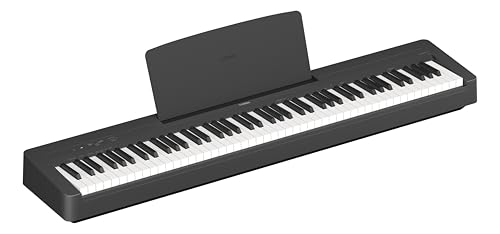
Yamaha P-145
Beginners who want the current Yamaha entry model with app control and a slim footprint
Read the Yamaha P-145 review →Head-to-Head Comparisons
- Anndles ADP-115 vs Plyor P-810 Compare →
Questions Buyers Ask
Plyor P-810
See the current listing, price and included accessories.
About This Review
Mandrillis Team
The Mandrillis editorial team researches and compares audio and music gear using manufacturer documentation, verified specs and real buyer feedback, so you can make a confident purchase without wading through marketing claims.
Read our full research methodology.