Digital Pianos Review
Mosen MDP-88N Review: Budget Weighted Action and Triple Pedals
The Mosen MDP-88N is a budget digital piano with 88 progressive hammer action keys, 128 note polyphony, triple pedals and dual Bluetooth. The listing highlights beginner friendly features, but several physical specifications remain unpublished.
Our Verdict
Research Score 71/100The Mosen MDP-88N presents a strong on paper feature set for a budget digital piano. The 88 progressive hammer action keys, 128 note polyphony, triple pedal unit and dual Bluetooth stand out at this price tier. The listing does not publish speaker wattage or weight, which makes direct comparison and portability planning harder. Buyers should also recognize that budget key actions can vary in consistency and long term durability. For a beginner who wants a full size weighted instrument with recording and app connectivity, the MDP-88N is a reasonable value. More experienced players may find the sound and action less refined than established entry level models from well known brands.
Editorial research score based on published specifications and documented features, not a customer rating or lab test.

Mosen
Mosen MDP-88N
Best for: Beginners who want a budget 88 note weighted digital piano with triple pedals and wireless app connectivity.
Skip it if: Experienced players who need a proven key action, detailed published specifications or a more refined piano sound.
Check Price on AmazonWe may earn a commission at no extra cost to you.
Listing verified: October 2026
Who Should Buy It
Buy it if
- Beginner piano students building proper finger technique
- Home learners who want a weighted 88 note action without spending above budget tier
- Players who value included triple pedals and a music stand
- Buyers who want Bluetooth app connectivity and recording features
Skip it if
- You require published weight and speaker wattage before buying
- You want a well known key action with a long track record
- Advanced pianists seeking high end piano timbre and cabinet build quality
Key Specifications
| Keys | 88 weighted keys with progressive hammer action |
| Key action | Progressive hammer action weighted |
| Polyphony | 128 note |
| Sounds | 128 tones and 128 rhythms |
| Speakers | Dual stereo surround speakers, wattage not published in listing |
| Connectivity | USB MIDI and MP3 support |
| Bluetooth | Dual Bluetooth |
| Pedals included | Triple pedal unit with sustain, soft and sostenuto |
| Weight | Not published in listing |
| Included accessories | Power adapter, triple pedals, detachable music stand, key stickers |
Overview
The Mosen MDP-88N is a budget digital piano aimed at beginners who want a full size weighted action without stepping into a higher price band. The listing describes 88 progressive hammer action keys, 128 note polyphony, 128 tones, and a triple pedal system housed in a woodgrain cabinet. These specifications are generous for a budget model, especially the inclusion of a full triple pedal unit and polyphony above typical entry-level caps. The product listing frames the MDP-88N as a beginner friendly home piano with recording, Bluetooth, and learning features included in the box.
This review is based solely on the published product listing, not on physical use or measurement. We evaluate what the specifications suggest on paper and point out where the listing leaves important details unpublished. The MDP-88N ships with a detachable music stand, power adapter, and key stickers, which reduces the need for immediate extra purchases. However, the listing does not state the overall weight or speaker wattage, so a few important real world questions remain open before a purchase decision.
Key Action
The MDP-88N uses 88 weighted keys with progressive hammer action, which the listing says replicates the touch of an acoustic grand piano. Progressive action means the lower keys have a heavier feel and the higher keys feel progressively lighter, similar to the hammers on a real acoustic instrument. This design is important for beginners because it builds proper finger strength and dynamic control from the start. The listing does not name the key action manufacturer or provide details on the hammer mechanism, so fine points like pivot length, key texture, and long term consistency are not published.
On paper, a progressive hammer action at a budget price is a meaningful step up from unweighted or semi weighted keyboards. The listing states that the action captures subtle finger dynamics, which suggests velocity sensitivity and expressive response. Entry level models from well known brands often use proprietary graded hammer actions with years of user feedback and proven durability. The MDP-88N lacks that track record, so buyers should treat the action as promising but unverified in real world use.
For a beginner, the key action is likely the most important long term purchase factor. A weighted progressive action can help prevent flat finger habits that often develop on unweighted keyboards. The inclusion of a triple pedal unit implies the action is designed to support expressive pedaling, which is another positive sign for technique building. However, because the action brand and assembly quality are not known, buyers may want to compare this listing with budget pianos that name their action supplier or have strong user reviews.
Piano Sound and Speakers
The sound engine is listed as a professional French DREAM sound source with 128 note polyphony, 128 tones, and 128 rhythms. Polyphony determines how many notes the piano can produce at once before it begins to cut older notes. A 128 note ceiling is generous for a budget digital piano and helps sustained passages, layering, and damper pedal use without audible dropouts. The listing does not name the exact piano samples or number of velocity layers, so the primary acoustic piano tone remains unknown.
The built in speakers are described as dual stereo surround speakers, but no wattage or driver size is provided in the listing. This makes it difficult to estimate how loud the MDP-88N can get in a typical living room or practice space. In the budget category, speaker systems often handle solo practice fine but can struggle with deep bass and clean highs at maximum volume. Buyers who need more volume or clarity can likely connect external amplification or headphones, although output jack details are not specified in the listing.
The combination of a DREAM sound source and high polyphony suggests the MDP-88N is meant for varied practice, not just basic piano tones. The 128 built in tones open up strings, organs, electric pianos, and more, which keeps practice engaging for a new player. Still, the lack of information on speaker power and tone engine details means the actual sound quality is a risk. Budget digital pianos sometimes have weak amplification that undercuts an otherwise capable sound engine.
Features and Modes
The MDP-88N includes several learning and performance features beyond a basic digital piano. The listing mentions an intuitive LCD panel, a built in MP3 player, recording and playback, and a dual piano mode. Dual piano mode splits the keyboard into two identical pitch ranges so a teacher and student can play side by side. A triple pedal system with sustain, soft, and sostenuto gives beginners a complete expressive pedal setup that many budget models omit.
The 128 tones and 128 rhythms expand the instrument beyond solo piano sounds for simple accompaniment and experimentation. The recording function lets players capture and review practice sessions, which is helpful for tracking progress and spotting mistakes. The LCD panel is a practical addition because it makes tone selection and rhythm settings easier without relying on a mobile app. The listing does not detail how many of the 128 tones are high quality acoustic sounds or how editable the rhythms are.
For a budget piano, this feature set is strong. The inclusion of a triple pedal unit with sostenuto is rare at this price point. An MP3 player and recording function add self study tools that many beginners appreciate. The dual piano mode is especially useful for lessons or duet practice. These features position the MDP-88N as more than a bare bones weighted keyboard.
- 128 note polyphony and 128 tones
- 128 accompaniment rhythms
- LCD panel and built in MP3 player
- Recording and playback functions
- Dual Bluetooth and USB MIDI
- Triple pedal unit included
Build, Design and Portability
The MDP-88N has a woodgrain finish that the listing says blends with home interiors, and it comes with a detachable music stand. The cabinet appears to be a console style digital piano with an integrated triple pedal unit rather than a slim slab keyboard. This configuration is convenient for home use and looks more like a piece of furniture, but it is generally less portable than a stage piano. The listing does not publish the overall weight or dimensions, so buyers cannot verify how easy it is to move or where it will fit.
Because the weight is not published, the portability story is incomplete. A full 88 note hammer action instrument usually weighs enough that two people may be needed for moving and assembly, but that cannot be confirmed from the listing alone. The woodgrain cabinet and included music stand point to a furniture style package meant to stay in one location. Budget digital pianos in this style are lighter than acoustic uprights but still not portable in a backpack or carry bag sense.
The build quality is also not detailed beyond the finish. The listing does not mention the cabinet material thickness, key surface texture, or pedal unit construction. For a beginner who plans to keep the piano in one place, this may matter less. For anyone who needs to move the instrument between rooms regularly, the missing weight spec is a notable drawback in the listing.
Connectivity
Dual Bluetooth is a headline feature of the MDP-88N. The listing says it enables easy wireless pairing with phones, tablets, and teaching apps. The term dual Bluetooth is not defined in detail, but it often means support for Bluetooth audio and Bluetooth MIDI, or two simultaneous roles. Without exact Bluetooth profiles or version information, buyers should treat this as flexible rather than precise. Wireless connection is becoming common on budget pianos because it simplifies app based learning.
In addition to Bluetooth, the MDP-88N supports USB MIDI and MP3 functions. USB MIDI allows connection to computers and external gear for recording, virtual instruments, and educational software. The built in MP3 player suggests you can play audio files through the piano for play along practice. The listing does not detail USB audio class compliance or mobile device compatibility without an adapter, so buyers using tablets with only USB C ports may need a separate hub.
The inclusion of both Bluetooth and USB MIDI is a practical advantage for a budget piano. Many affordable models offer only one of these connection paths. This allows a beginner to use wireless apps for lessons while also connecting to a computer for notation or DAW recording. The exact Bluetooth range and latency are not published, but for home use this should be manageable. Buyers who plan to use wireless audio streaming should be aware that Bluetooth audio always has some latency and is not ideal for real time monitoring during playing.
Setup and Accessories
The MDP-88N includes several accessories that reduce the cost and effort of starting out. The box has a power adapter, a triple pedal unit, a detachable music stand, and key stickers. Key stickers can help absolute beginners learn note names, though some teachers prefer learning without visual labels. The triple pedal system is integrated into the cabinet, which is a real advantage for this price tier because many budget models require a separate pedal purchase.
Assembly details are not provided in the listing, so buyers will rely on the included instructions or standard digital piano assembly steps. Console style digital pianos typically require attaching the stand, pedal unit, and music rest, often in under an hour with basic tools and two people. The 1 year warranty offers basic coverage. Since total weight and box weight are not stated, buyers should plan for a moderately heavy delivery and may need help bringing the box inside.
The music stand is detachable, which adds flexibility for placement and storage. The key stickers are a small but thoughtful inclusion for true beginners. The power adapter is listed, so there is no need to purchase batteries or a separate supply. Buyers should check that all accessories are accounted for upon delivery and that the pedal unit connects securely during assembly.
Daily Use
For daily practice, the MDP-88N should provide a solid foundation for beginner exercises, scales, and simple repertoire. The progressive hammer action encourages proper finger technique, while the 128 note polyphony prevents note dropouts during sustained and layered playing. The triple pedals allow students to learn all three pedal functions from the start, which many budget keyboards omit. The LCD panel and built in recording make it easy to start a session without a computer.
The dual Bluetooth and USB MIDI expand daily use beyond the built in sounds. A beginner can pair a phone or tablet with a teaching app, record practice, or stream accompaniment tracks through the piano. The 128 rhythms add a casual play along element for keeping time and exploring styles. The main unknown in daily use is speaker volume and clarity, since wattage is not published. In smaller rooms the speakers will likely be sufficient, but in larger spaces they may feel underpowered.
Another daily use consideration is the learning curve of the interface. The LCD panel should make navigation straightforward, but the listing does not show the menu layout or confirm how easy it is to switch between tones and rhythms. For a beginner, simple button layouts are preferable, and the MDP-88N appears to offer that based on the feature description. The recording function adds a useful self assessment loop that many students find motivating.
Who Should Buy It
The Mosen MDP-88N fits best for beginner pianists and families looking for an affordable full size weighted digital piano. It includes three things many budget buyers ask for: 88 progressive hammer action keys, a triple pedal unit, and a furniture style cabinet. Students who plan to use a teaching app or connect to a computer will benefit from Bluetooth and USB MIDI. The included music stand and key stickers reduce extra purchases and setup friction.
This model is also suitable for returning players who want a simple home practice instrument without spending into the mid range. The 128 voices and rhythms add variety for hobbyists who do not need a stage ready piano. Buyers comfortable with limited published specifications and who prioritize features per dollar will find the MDP-88N appealing. Anyone who needs a known brand key action, highly realistic piano timbre, or full spec transparency should look at more established entry level models.
The target buyer is likely a first time piano owner who wants a full size weighted experience rather than a 61 or 76 key keyboard. The MDP-88N delivers that at a budget price point. It is not aimed at performers, composers needing advanced sound editing, or advanced classical students who would outgrow the action within a few years. For its intended audience, the Mosen MDP-88N checks many boxes.
Verdict
The Mosen MDP-88N is a feature rich budget digital piano that offers a lot on paper. The 88 note progressive hammer action, 128 note polyphony, triple pedals, and dual Bluetooth make it a strong value for a beginner focused instrument. The included accessories and woodgrain cabinet add to its home friendly appeal. The main limitations are informational: no published speaker wattage, weight, or key action brand, and no long term user track record.
We score the MDP-88N 71 out of 100, with its strongest marks in features, connectivity, and value. The key action and piano sound are promising but unverified from the listing alone. For a beginner who wants a complete starter package below the price of established entry level models, the MDP-88N is worth considering. More demanding players may prefer a known brand with documented specs and a proven action.
The budget digital piano market is crowded, and the MDP-88N competes by bundling features that are often optional extras. The success of this model will depend on whether the actual key action and sound quality match the listing's description. Buyers who can overlook the missing specs and accept some risk will likely find a capable learning tool.
Strengths and Limitations
Strengths
- 88 weighted progressive hammer action keys
- 128 note polyphony and 128 voices
- Triple pedal unit included
- Dual Bluetooth and USB MIDI connectivity
- Budget price tier with starter accessories
Limitations
- Speaker wattage and weight are not published in the listing
- Key action brand and long term durability are unknown
- Budget sound engine may not satisfy advanced players
- Bluetooth protocol details are not specified
How We Scored It
Scores reflect published specifications, documented features and value against the alternatives below. They are editorial research scores, not laboratory measurements.
Alternatives to Consider

Donner DEP-20
Budget buyers who want weighted keys, loud speakers and a large sound library in one box
Read the Donner DEP-20 review →
Alesis Recital Pro
Beginners who want hammer-action keys and loud speakers for the least money
Read the Alesis Recital Pro review →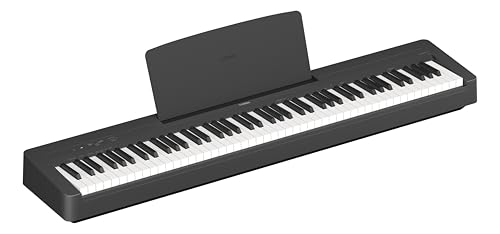
Yamaha P-145
Beginners who want the current Yamaha entry model with app control and a slim footprint
Read the Yamaha P-145 review →Head-to-Head Comparisons
- Mosen MDP-88N vs Glarry C442 Compare →
Questions Buyers Ask
Mosen MDP-88N
See the current listing, price and included accessories.
About This Review
Mandrillis Team
The Mandrillis editorial team researches and compares audio and music gear using manufacturer documentation, verified specs and real buyer feedback, so you can make a confident purchase without wading through marketing claims.
Read our full research methodology.