Digital Pianos Review
Mosen MDP-70 Review: Budget Weighted 88 Key Piano
The Mosen MDP-70 combines an 88-key weighted hammer action, 128-note polyphony, 128 tones, a triple pedal unit, and an X stand in a budget bundle. The listing does not state weight or Bluetooth support, so buyers should weigh the strong on paper features against unspecified details.
Our Verdict
Research Score 69/100On paper, the Mosen MDP-70 is a compelling budget choice because it bundles 88 weighted hammer-action keys, 128-note polyphony, 128 tones, a triple pedal unit, a dual X stand, and keyboard stickers. The published specification suggests a full practice setup for beginners. However, the listing omits weight and does not list Bluetooth, which makes portability and wireless options uncertain. The 2x15W speakers and touch sensitivity are useful, but the piano's actual sound character and long-term reliability remain unknown without direct testing or published details. For a first weighted digital piano at a budget tier, the Mosen MDP-70 looks like a sensible value, but careful buyers may want more documentation from the seller before purchasing.
Editorial research score based on published specifications and documented features, not a customer rating or lab test.

Mosen
Mosen MDP-70
Best for: Beginners and casual players who want a budget 88-key weighted digital piano with a stand and triple pedal included.
Skip it if: You need Bluetooth audio, a proven brand with detailed specs, or a piano with published weight and advanced output options.
Check Price on AmazonWe may earn a commission at no extra cost to you.
Listing verified: October 2026
Who Should Buy It
Buy it if
- A first-time player who wants a full-size weighted keyboard without spending much
- A student who needs a practice piano with lesson mode and demo songs
- A home hobbyist who will connect to a computer over USB-MIDI
- A buyer who wants a ready-to-play bundle with stand and triple pedal
Skip it if
- You rely on Bluetooth for wireless audio or app control
- You need a stage piano with line outputs and extensive live features
- You want a known reference model with established sample quality
Key Specifications
| Keys | 88 |
| Key action | Fully weighted hammer action with adjustable touch sensitivity |
| Polyphony | 128-note |
| Sounds | 128 tones, including piano, strings, drums, bass, and more |
| Speakers | 2x15W |
| Connectivity | USB-MIDI |
| Bluetooth | Not published in listing |
| Pedals included | Triple pedal unit (soft, sostenuto, sustain) |
| Weight | Not published in listing |
| Included accessories | X stand, adjustable music rest, triple pedal unit, keyboard stickers |
Overview
The Mosen MDP-70 is a budget digital piano aimed at beginners who want a full-size weighted keybed without buying separate support gear. The listing bundles an 88-key fully weighted hammer-action keyboard with a dual X stand, an adjustable music rest, a triple pedal unit, and keyboard stickers. The published specification also includes 128-note polyphony, 128 tones, and a pair of 15 watt speakers. This makes it a ready-to-play option for home practice.
The piano sits in the budget tier, which means the feature count is high but some details are missing. The product listing does not state the instrument's weight or overall dimensions, so exact portability is unclear. It also does not mention Bluetooth support, and no line outputs are listed. Buyers should view the Mosen MDP-70 as a value-focused practice piano with strong on paper fundamentals rather than a fully documented stage instrument.
Compared to entry-level offerings from well-known brands, this model packs more polyphony and a triple pedal at a similar or lower price. That does not mean the key action or piano tone will match those references, but it does show the bundle's value on paper. The unknown factors are durability, actual feel, and sound character. Anyone buying this piano should weigh those uncertainties against the generous feature list.
Key Action
The key action is described as fully weighted and hammer-action, with 88 keys and adjustable touch sensitivity. Hammer-action keybeds are designed to mimic the mechanical resistance of an acoustic piano, which helps beginners build finger strength and control. The touch sensitivity setting lets a player choose how hard they need to press to reach maximum volume. That is useful for early lessons and for gradually building realistic finger independence.
The listing does not name a specific keybed supplier or publish the piano's weight, so the physical feel of the action cannot be verified from the data alone. Budget weighted actions can vary from sluggish to responsive, and this model's action may fall anywhere in that range. Buyers who have played an acoustic piano should expect an approximate rather than exact match. For a first instrument, the published specification promises the right concept, but actual key travel and rebound remain open questions.
Compared to budget models from Yamaha, Roland, Casio, or Kawai, the Mosen MDP-70's hammer action is an unknown quantity. Those brands publish more about their keybed designs, while this listing only states that the keys are fully weighted and hammer-action. The adjustable touch sensitivity is a positive, but it does not guarantee a realistic feel. A beginner may not notice the difference, but a more experienced player might find the action too light or uneven.
Piano Sound and Speakers
The Mosen MDP-70 lists 128 tones, including piano, strings, drums, bass, and other sounds. The piano tone itself is not described with terms like multisampling or modeled resonance, so the listing gives no technical detail about how the main piano voice was created. Polyphony is 128 notes, which is generous for a budget piano and should prevent note dropouts during layered performances or sustained passages.
The two 15 watt speakers are the built-in sound system, and the listing says they provide rich sound for home, studio, or casual performance. Without direct testing, speaker quality cannot be confirmed, but 30 watts total is generally enough for a small room. The sound shaping tools include dual mode, split keyboard, chorus, and reverb. These features help a beginner explore different textures and make practice more engaging, though the actual timbre of the acoustic piano voice remains unknown.
The 128-note polyphony is a standout specification at this price, because many budget pianos from established brands use lower polyphony. That means layered sounds with sustain pedal are less likely to cut off notes. The 128 tone count is also generous, though the quality of each tone is more important than the number. For practice, the built-in speakers should be adequate, but for performance or recording, the lack of line outputs is a limitation.
Features and Modes
The Mosen MDP-70 has a strong set of learning and performance features for its price. The listing mentions lesson mode and 110 demo songs, which gives a beginner structured material to work through. An LCD display can show chords, which is helpful when following along with the built-in lessons. The panel also gives access to voice selection, dual mode, split mode, and recording.
Dual mode lets you layer two tones, such as piano and strings, for a richer sound. Split keyboard divides the keys into two zones so the left hand can play a bass or pad voice while the right plays a lead tone. Chorus and reverb add spatial depth, and the built-in recording function can capture practice sessions without extra equipment. These tools keep the piano from feeling like a bare bones keyboard.
Lesson mode and 110 demo songs are standard for many beginner digital pianos, but the combination with a triple pedal and 128-note polyphony at this price is less common. The LCD chord display is a useful extra for someone learning to read chord symbols. The built-in recording is a big advantage for self-evaluation, because a player can record a passage and listen back without needing a computer or phone.
- Lesson mode and 110 demo songs
- LCD chord display for practice
- 128 tones, dual mode, and split keyboard
- Built-in recording
- Chorus and reverb effects
Build, Design and Portability
The Mosen MDP-70 is made with ABS material, which the listing describes as durable, lightweight, impact-resistant, and easy to clean. ABS plastic is common in digital pianos because it keeps the instrument affordable and manageable. However, the listing does not publish the actual weight or dimensions, so the word lightweight cannot be verified in numbers. A fully weighted hammer action usually adds heft, and a dual X stand adds another piece to move.
The dual X stand is included, and the listing calls it stable, which is a useful accessory for a home setup. Without the stand, the piano could be placed on a table or desk, but the bundled stand creates a proper playing height. The adjustable music rest holds sheet music or a tablet, and the triple pedal unit sits on the floor beneath the stand. As a stay-at-home practice instrument, the bundle saves the hassle of buying separate support hardware.
Portability is hard to judge without a published weight. A hammer-action 88-key slab usually weighs more than a non-weighted keyboard, and the stand adds carry weight. If you plan to move the piano between rooms frequently, the missing weight specification is a concern. For a fixed home setup, the X stand and triple pedal are stable enough. The ABS body should resist minor bumps, but the long-term build quality of the key mechanism is unknown.
Connectivity
The only listed connection is USB-MIDI, which allows the Mosen MDP-70 to connect to a computer or mobile device for use with music software. USB-MIDI sends note data, velocities, and pedal messages, so a player can record MIDI or play virtual instruments. This makes the piano more versatile than a standalone practice keyboard because it can act as a controller for DAWs and educational apps.
The listing does not mention Bluetooth MIDI or Bluetooth audio, so wireless users should assume it is not present. There are also no line outputs, aux inputs, or headphone jacks described in the data, although many digital pianos include a headphone port without listing it. A buyer who needs to connect to an audio interface or external speakers should verify those details before purchase. The absence of published audio connectivity beyond USB-MIDI is a limitation for stage or recording use.
For home practice, USB-MIDI is often enough, because you can use a computer to play virtual piano sounds through headphones or studio monitors. If the piano has a headphone jack, silent practice is possible, but the listing does not confirm it. The lack of Bluetooth means you cannot stream audio from a phone to the piano's speakers. For a beginner, this is a minor issue, but for a tech-savvy user it may feel outdated.
Setup and Accessories
The Mosen MDP-70 ships as a bundle with the piano, a dual X stand, an adjustable music rest, a triple pedal unit, and keyboard stickers. The keyboard stickers are a small extra that can help a beginner learn note names, though some players remove them once they build familiarity. The listing does not mention a bench, so you may need to supply your own seating. It also does not specify whether a power adapter is included, which is worth confirming.
Assembly is not described step by step, but a digital piano slab with an X stand is generally straightforward. The stand typically unfolds and locks into place, and the piano rests on top or attaches with brackets depending on the design. The triple pedal unit usually sits on the floor beneath the stand, with a cable that connects to the piano's pedal input. The inclusion of a triple pedal unit at this price is notable because many budget bundles include only a single sustain footswitch.
You may want to add a piano bench, headphones, and a sustain pedal if the triple pedal unit feels bulky. The keyboard stickers are useful for the first few weeks, but many teachers recommend removing them to build muscle memory without visual crutches. Since the listing does not mention a power adapter, check with the seller before assuming you can plug it in immediately. A dust cover is another small accessory worth buying to keep the keys clean.
Daily Use
For daily practice, the Mosen MDP-70 gives a beginner the essentials: an 88-key weighted action, lesson mode, demo songs, and recording. The adjustable touch sensitivity means a beginner can start with a lighter response and increase resistance as their finger strength improves. The built-in speakers are adequate for a small room. The listing does not mention a headphone jack, so silent practice details are unclear.
The triple pedal unit lets you practice proper pedal technique from the beginning, which is a real advantage over a single pedal. The X stand keeps the piano at a stable height, and the adjustable music rest makes following method books easier. The keyboard stickers can help with note recognition during the first few weeks. The main daily use unknown is the feel of the hammer action over time, because the listing provides no information about the keybed's long-term maintenance or durability.
The LCD chord display is useful for working through lesson mode or chord charts. The built-in recording lets you capture a practice session and listen back for timing and dynamics. Without published weight, moving the piano daily is not guaranteed, but if you keep it assembled in one place, that is not a problem. The piano works best as a dedicated home practice station rather than a mobile instrument.
Who Should Buy It
The Mosen MDP-70 suits a specific buyer: someone who wants a full-size weighted hammer-action piano, a stand, a triple pedal, and a budget price in one order. Absolute beginners and returning players will benefit most because the bundle removes the need to research separate accessories. If you have never owned a digital piano, this package covers the basics and provides room to explore lessons, layered sounds, and recording.
It is also a reasonable choice for a student who wants an 88-key weighted action but cannot spend mid-range money. A home hobbyist who plans to connect to a computer over USB-MIDI will find the controller function useful. This piano is less suited to a performer who needs reliable line outputs, Bluetooth audio, or a well-documented sound engine. If you already own a reference model from Yamaha, Roland, Casio, or Kawai, the Mosen MDP-70 may feel like a downgrade in brand confidence.
Buyers who prioritize a complete bundle over a known brand will appreciate the triple pedal and stand included. If you are willing to accept missing specifications and a no-name brand, the feature list is strong for the price. However, if you need a piano for gigging, recording, or advanced practice with audio output, look elsewhere. The Mosen MDP-70 is best understood as a home practice tool for the first year or two of learning.
Verdict
The Mosen MDP-70 is an ambitious budget digital piano that on paper includes nearly everything a beginner needs. Its 88 fully weighted hammer-action keys, 128-note polyphony, 128 tones, triple pedal unit, dual X stand, and USB-MIDI connection create a feature set that is difficult to find at this price. The listing does not publish weight or Bluetooth support, which are notable omissions.
The strong points are the full-size weighted keybed, the generous polyphony, and the complete accessory bundle. The main risks are the unknown actual feel of the key action, the unspecified weight, the lack of Bluetooth, and the limited published audio connectivity beyond USB-MIDI. For a first weighted digital piano on a tight budget, the Mosen MDP-70 deserves consideration if the buyer is willing to accept missing documentation. The score of 69 reflects a solid value on paper with moderate uncertainty.
Strengths and Limitations
Strengths
- 88 fully weighted hammer-action keys
- 128-note polyphony
- 128 tones with dual and split modes
- Triple pedal unit included
- USB-MIDI connectivity
- Budget price for the feature set
Limitations
- Bluetooth not listed
- No published weight or dimensions
- Unknown brand long-term reliability
- Speaker quality not detailed
- No line outputs mentioned
How We Scored It
Scores reflect published specifications, documented features and value against the alternatives below. They are editorial research scores, not laboratory measurements.
Alternatives to Consider

Donner DEP-20
Budget buyers who want weighted keys, loud speakers and a large sound library in one box
Read the Donner DEP-20 review →
Alesis Recital Pro
Beginners who want hammer-action keys and loud speakers for the least money
Read the Alesis Recital Pro review →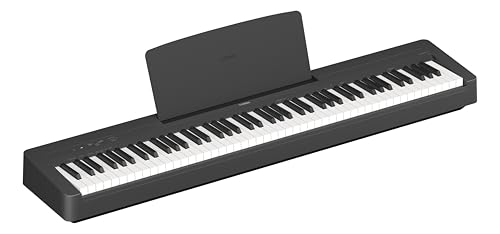
Yamaha P-145
Beginners who want the current Yamaha entry model with app control and a slim footprint
Read the Yamaha P-145 review →Head-to-Head Comparisons
- Mosen MDP-70 vs Skaehp SK-172 Compare →
Questions Buyers Ask
Mosen MDP-70
See the current listing, price and included accessories.
About This Review
Mandrillis Team
The Mandrillis editorial team researches and compares audio and music gear using manufacturer documentation, verified specs and real buyer feedback, so you can make a confident purchase without wading through marketing claims.
Read our full research methodology.