Vox Pathfinder Bass 10 vs Hartke HD15 Bass
Quick Verdict
The Vox Pathfinder Bass 10 scores 74 and is the better pick for players who need a headphone output, a line output, and a Drive control for analog grit. The Hartke HD15 Bass scores 60 and offers a larger 6.5-inch HyDrive speaker plus a midrange knob, but its listing lacks confirmed headphone or line outputs and any built-in effects. Both are strictly low-volume home practice amps with no stage capability. Choose the Vox for silent practice, recording flexibility, and a touch of overdrive. Choose the Hartke only if you want the simplest possible combo and can verify its rear-panel connectivity elsewhere.
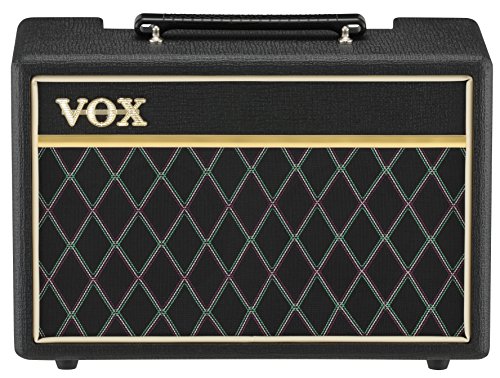

| Spec | Vox Pathfinder Bass 10 | Hartke HD15 Bass |
|---|---|---|
| Power output | 10 watts | 15 watts |
| Speaker | 2 x 5-inch Bulldog speakers | 6.5-inch HyDrive paper and aluminum cone driver |
| Amp models or channels | Not published in listing; single analog channel with Drive, Bass, Treble controls | Single channel with Volume, Bass, Mid and Treble controls |
| Effects | Drive control for grit and growl; no other effects published | None listed |
| Inputs and outputs | Instrument input expected but not specified; headphone output and line output listed | Not published in listing |
| Headphone and line out | Headphone output and line output | Not published in listing |
| Bluetooth and app | Not published in listing | None listed |
| Weight | Not published in listing; listed as lightweight and portable | Not published in listing |
| Dimensions | Not published in listing; listed as compact | Not published in listing |
| Included accessories | Not published in listing | Not published in listing |
Amp Models and Tone
The Vox Pathfinder Bass 10 uses a single analog channel with Drive, Bass and Treble controls. The listing describes its analog circuit as aiming for tube-like warmth, and the Drive control is said to add useful bass grit. There are no digital amp models or channel simulations published for the Vox. Its tone score is 25 out of 30 in the supplied breakdown, the highest among its scored categories.
The Hartke HD15 Bass offers one channel with Volume, Bass, Mid and Treble controls. The listing does not mention any amp models or channels beyond that single channel. Its 6.5-inch HyDrive speaker uses a paper and aluminum cone driver, a specific material detail Hartke publishes. The Hartke tone score is 22 out of 30, slightly below the Vox. Unlike the Vox, Hartke does not list any Drive or overdrive control.
On tone alone, the Vox has an advantage because the Drive control can push the amp into gritty, overdriven bass sounds without adding pedals. The Hartke counters with a dedicated Mid control, which the Vox lacks, giving more direct EQ shaping for players who want to adjust midrange frequencies. Neither amp claims digital models, channel switching, or built-in cabinet simulation. Both are straightforward analog style bass amplifiers aimed at simple practice.
Effects and Features
The Vox Pathfinder Bass 10 includes a Drive control as its only listed effect, and the listing says no other effects are published. There is no built-in tuner, reverb, compression, or modulation mentioned. The amp does not offer Bluetooth, app support, or USB audio. In the effect and features category it scores 13 out of 20.
The Hartke HD15 Bass lists no built-in effects at all. Its feature set is limited to a simple three-band EQ with Volume, Bass, Mid and Treble controls. The listing does not mention a tuner, overdrive, reverb, or any digital processing. It also lists no Bluetooth or app support. Hartke's effect and features score is 8 out of 20.
This is one of the clearest differences between the two practice amps. The Vox gives you a single Drive control that can add harmonic grit and growl on demand, which is a useful practice and recording tool. The Hartke offers no equivalent, so players who want overdrive from the amp itself will find the Vox more flexible. Both remain far behind feature-rich modeling amps that include effects, tuners, and wireless connectivity.
Power, Speaker and Volume
The Vox Pathfinder Bass 10 delivers 10 watts of power into two 5-inch Bulldog speakers. The listing calls the speakers Bulldog but does not provide further material specifications such as cone composition or magnet type. In the power and speaker category, the Vox scores 8 out of 15. Its cons explicitly state that 10 watts and 5-inch speakers limit live use.
The Hartke HD15 Bass produces 15 watts through a single 6.5-inch HyDrive speaker, which uses a paper and aluminum cone driver. This is a larger driver than either of the Vox's two 5-inch speakers. Hartke scores 9 out of 15 for power and speaker, slightly above the Vox. Its cons still note that it does not have enough power or speaker size for stage use.
In practical terms, both amps are designed for low-volume home practice, not band rehearsal or live performance. The Hartke may produce a fuller low end or more perceived volume on paper due to the higher wattage and larger cone, but neither listing includes decibel measurements or sound pressure levels. The Vox's dual speakers could provide a wider stereo-like spread, but the listing does not claim stereo operation. Without head to head listening, the power and speaker comparison leans slightly toward Hartke on specifications alone.
Build and Portability
The Vox Pathfinder Bass 10 is described in the listing as compact and lightweight, and this contributes to a high build and portability score of 9 out of 10. However, the exact weight and dimensions are not published in the listing. The amplifier is also called easy to transport in its pros. This suggests that Vox markets it as a grab-and-go practice amp.
The Hartke HD15 Bass listing does not state its weight or dimensions, and the build and portability score is 6 out of 10. The listing does not describe the cabinet material, handle, or overall ruggedness. One useful ergonomic detail is that the controls are top-mounted, which can make them easier to reach when the amp is placed on the floor. Beyond that, there is little published information about its physical build.
On paper, the Vox has a stronger portability claim because the listing explicitly says it is compact and lightweight. The Hartke offers no such claim, leaving buyers to rely on its small speaker and low wattage as indirect hints of a compact size. Both amplifiers likely fit in a bedroom or apartment easily, but the Vox's published description gives it an edge for players who need to move the amp often. Neither model includes a listed carry bag or shoulder strap.
Connectivity and Apps
The Vox Pathfinder Bass 10 lists a headphone output and a line output in its specifications. The listing also expects an instrument input, though it does not explicitly specify one, which is unusual for an amplifier listing but common for a bass amp. There is no Bluetooth or app support published. Its connectivity score is 9 out of 15.
The Hartke HD15 Bass does not publish its inputs and outputs in the listing. There is no headphone output or line output listed, and no auxiliary input is mentioned. The listing lists no Bluetooth or app support. Hartke's connectivity score is 7 out of 15, lower than the Vox. The absence of a confirmed headphone jack is a significant limitation for silent practice.
The Vox is clearly the better connected amplifier on paper. A headphone output lets you practice silently at night, and the line output can feed a recording interface or a larger sound system. The Hartke may have some of these connections in person, but because the listing does not state them, buyers cannot rely on that. Neither amp has app control, USB audio, or wireless streaming, so both are traditional analog practice amps with minimal modern connectivity.
Setup and Daily Use
Setting up the Vox Pathfinder Bass 10 is straightforward. You plug in your bass, adjust the Drive, Bass and Treble controls to taste, and you can plug headphones into the headphone output for silent practice. The line output is also available for recording or sending the signal to a larger system. There are no menus, presets, or apps to learn.
The Hartke HD15 Bass is equally simple in daily use. Its top-mounted Volume, Bass, Mid and Treble controls let you dial in a basic bass tone quickly. The listing emphasizes that there are no complex menus or an app required. However, without a listed headphone output, quiet practice may require using the speaker at very low volume or purchasing an external headphone solution separately.
For a beginner who wants to plug in and play, both amps are easy to operate. The Vox adds two useful daily features: a headphone jack and a line output. The Hartke adds a dedicated Mid control that can be helpful for shaping a bass tone in a mix. Neither amp has an onboard tuner, so players will need a clip-on tuner, pedal tuner, or tuning app on a phone.
Home Practice Versus Stage
For home practice, both the Vox Pathfinder Bass 10 and the Hartke HD15 Bass are well suited. The Vox's headphone output makes it ideal for apartments, late-night sessions, and shared living spaces. The Hartke's 15 watts and 6.5-inch speaker will fill a small room at moderate volume, but without a published headphone jack, silent practice is less certain.
Neither amplifier is adequate for stage use. The Vox's cons state that 10 watts and 5-inch speakers limit live use, and its listing does not claim stage readiness. The Hartke's cons say it does not have enough power or speaker size for stage use. Both are practice amps first, and any live application would require a PA system or external speaker, assuming a usable line output exists.
The Vox has a line output, which its listing mentions can feed larger systems, so in theory a player could use it as a preamp into a PA. The Hartke does not list a line output, so that option is not documented. For band practice with a drummer, both models would struggle to be heard. The deciding factor for home versus stage is clear: both are home-only amps, but the Vox has a documented route to a larger system.
The Deciding Question
The deciding question between these two bass amps is whether you need a documented headphone output and line output for silent practice and direct recording. The Vox Pathfinder Bass 10 offers both, along with a Drive control for added grit. The Hartke HD15 Bass does not list those outputs, so its connectivity is less certain from the published specifications.
Another way to frame the decision is around tone control. The Hartke gives you a dedicated Mid knob, which the Vox lacks, while the Vox gives you a Drive control, which the Hartke lacks. If you want a simple three-band EQ and do not care about headphone or line outputs, the Hartke may be acceptable. If you want more tonal attitude and silent practice options, the Vox is the stronger pick.
The overall scores reflect this comparison: the Vox earns 74 out of 100, while the Hartke earns 60 out of 100. The Vox scores higher in build and portability, connectivity, and effects, while the Hartke only edges ahead in power and speaker. For most home players, the Vox's better documented feature set makes it the safer recommendation, but the Hartke remains a viable ultra-simple budget option.
Who Should Buy Which
Buy the Vox Pathfinder Bass 10 if you are a beginner, apartment player, or bassist who wants a simple analog practice amp with headphone and line outputs. It suits players who want a Drive control to add some grit without buying a pedal. Avoid it if you need a stage-ready bass amp, digital models, app control, or built-in effects beyond Drive and a tuner.
Buy the Hartke HD15 Bass if you want a basic, low-volume practice combo with a slightly larger 6.5-inch HyDrive speaker and a three-band EQ. It fits budget-conscious beginners who do not need effects, app control, or a confirmed headphone output. Avoid it if you need built-in effects, headphone output, digital amp models, app control, or enough volume for band practice and stage use.
In summary, the Vox Pathfinder Bass 10 is the more complete practice amp on paper, with better documented connectivity and a useful Drive control. The Hartke HD15 Bass is a stripped-down alternative that may appeal to players who value simplicity above all. Both are home practice amplifiers, not stage amplifiers, and both have unpublished physical specifications that buyers should verify before purchasing.
Vox Pathfinder Bass 10
Pros
- Compact, lightweight design for easy transport
- Analog circuit aims for tube-like warmth
- Drive control adds useful bass grit
- Headphone output for silent practice
- Line output for recording or larger systems
- Simple Bass and Treble controls
Cons
- No Bluetooth or app support
- No built-in tuner or effects beyond Drive
- 10 watts and 5-inch speakers limit live use
- Exact weight and dimensions not published
- No auxiliary input for backing tracks
Hartke HD15 Bass
Pros
- Simple top-mounted Volume, Bass, Mid and Treble controls
- 6.5-inch HyDrive paper and aluminum cone driver
- 15 watts suits bedroom practice
- Budget price tier
- No complex menus or app required
- Established Hartke bass amp brand
Cons
- No built-in effects or amp models listed
- No headphone output or aux input listed
- No Bluetooth, app or USB connectivity listed
- Not enough power or speaker size for stage use
- Weight and dimensions not published
Who Should Buy Each
Vox Pathfinder Bass 10
- Beginner bass players needing a first practice amp
- Home and apartment players who value headphone practice
- Players who want a simple analog signal path with Drive
- Recording hobbyists who can use the line output into an interface
Hartke HD15 Bass
- Beginners who want a simple analog bass amp
- Budget-conscious players needing a practice combo
- Bassists with a pedalboard who only need clean amplification
- Bedroom players who do not require headphone output
Quick Decision Guide
| If you need a headphone output and a line output for silent practice or recording | Choose Vox Pathfinder Bass 10 |
| If you want a Drive control for bass grit without using a pedal | Choose Vox Pathfinder Bass 10 |
| If you prefer a dedicated Mid EQ control over a Drive control | Choose Hartke HD15 Bass |
| If you want slightly more power and a larger single speaker on paper | Choose Hartke HD15 Bass |
| If you want the higher-scoring amp with better documented connectivity and portability | Choose Vox Pathfinder Bass 10 |
FAQ
About This Comparison
Daniel Brooks
Daniel Brooks edits the buying guides and how-to articles at Mandrillis. He works from manufacturer manuals, published specifications and common owner questions to explain music and audio gear in plain language, from turntables and headphones to digital pianos and electronic drums.
Read our full research methodology.
We may earn a commission at no extra cost to you.