Epiphone J-45 Express vs Luna Aurora Borealis 3/4
Quick Verdict
The Epiphone J-45 Express is the stronger choice for buyers who want confirmed materials and practical travel features. A solid spruce top, layered mahogany body, mahogany neck with laurel fingerboard, and included gig bag give it a clear edge. The Luna Aurora Borealis 3/4 appeals to young or small players who want a compact cutaway and moon phase styling, but its listing omits most specs. Neither has onboard electronics. If you need a solid top, known neck wood, and a ready to carry package, choose the Epiphone. If you prioritize the smallest cutaway and visual identity over spec transparency, the Luna works, but expect fewer documented details.

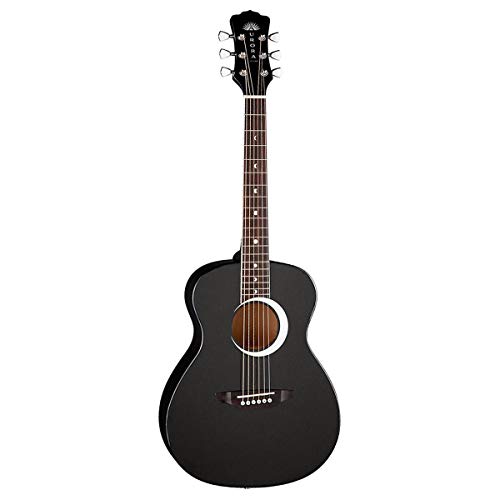
| Spec | Epiphone J-45 Express | Luna Aurora Borealis 3/4 |
|---|---|---|
| Body shape | 7/8 size travel body | Cutaway, 3/4 size (exact body shape not published in listing) |
| Top | Solid spruce | Not published in listing |
| Back and sides | Layered mahogany | Not published in listing |
| Neck and fingerboard | Mahogany neck, laurel fingerboard | Not published in listing |
| Scale length | Not published in listing | Not published in listing |
| Nut width | Not published in listing | Not published in listing |
| Electronics | Not published in listing | Not published in listing |
| Tuners | Not published in listing | Not published in listing |
| Finish | Ebony | Black Pearl (specific finish material not published in listing) |
| Included accessories | Gig bag | Not published in listing |
Body, Neck and Playability
The Epiphone J-45 Express uses a 7/8 size travel body, which is smaller than full-size but slightly larger than a 3/4 instrument. The top is solid spruce, and the back and sides are layered mahogany. The neck is mahogany with a laurel fingerboard. The listing does not state scale length or nut width, so string spacing and reach cannot be confirmed from the published specs.
The Luna Aurora Borealis 3/4 has a cutaway body at 3/4 size, but the exact body shape is not published in the listing. Neck and fingerboard materials are also not published. The cutaway is intended to improve access to upper frets, though the actual neck profile remains unknown. Without neck dimensions or wood type, playability must be judged largely from its compact size and cutaway design.
The scoring gives the Epiphone 23 out of 30 for playability and the Luna 21 out of 30. Both models sit close in this area, but the Epiphone's published neck wood and slightly larger body give it a small advantage in documented familiarity. The Luna's smaller size may help young or smaller players, but the lack of listed nut width and scale length on either model is a shared drawback.
Tone and Projection
The Epiphone J-45 Express pairs a solid spruce top with layered mahogany back and sides. Solid spruce is known for clarity and dynamic range, while layered mahogany contributes warmth and keeps the build affordable. The listing notes the small body limits low-end projection compared with full-size acoustics, so bass response will be modest.
The Luna Aurora Borealis 3/4 does not publish its top, back, or side woods, so the potential tone cannot be assessed from materials. The listing states the small body may limit bass response and projection. Without knowing the top wood, any claim about tonal character would be speculation. The published tone score for the Luna is 15 out of 25.
The Epiphone scores 18 out of 25 for tone, which is higher than the Luna's 15. This difference is driven by the Epiphone's confirmed solid spruce top, a meaningful spec for acoustic tone. Both instruments are small-bodied, so neither should be expected to deliver the full low end of a dreadnought or grand auditorium. The Epiphone has a clearer documented tonal foundation.
Hardware and Electronics
The Epiphone J-45 Express does not list onboard electronics in the product facts. The listing does not state the tuner type or any preamp or pickup system. The hardware score is 7 out of 10, which reflects the absence of listed electronic features and unknown tuner quality.
The Luna Aurora Borealis 3/4 also does not publish any electronics or preamp mentioned in the listing. Tuner type and quality are unknown. The hardware score is 5 out of 10, slightly lower than the Epiphone, because even less hardware information is provided. Neither model appears ready for plug-and-play use based on the supplied facts.
Comparing the two, neither guitar offers published onboard electronics, so users who need to connect to an amplifier will likely need an aftermarket pickup or a different instrument. The Epiphone's slightly higher hardware score may reflect the included gig bag as an accessory, but hardware specifics remain sparse. Both listings leave tuner performance and durability unaddressed.
Build Quality and Finish
The Epiphone J-45 Express uses a solid spruce top and layered mahogany back and sides, which are clearly stated materials. The finish is listed as ebony, though the specific finish type such as gloss or satin is not specified. A solid top is a sign of a step up from all-laminate construction, even with a layered body.
The Luna Aurora Borealis 3/4 has a black pearl finish, but the specific finish material is not published. The listing does not specify the top, back, or side woods, which makes build material assessment difficult. The known design elements are the moon phase fretmarkers and crescent rosette, which add visual character but do not reveal structural quality.
The Epiphone earns 11 out of 15 for build and materials, while the Luna earns 8 out of 15. The Epiphone's advantage comes from its published solid top and layered back and sides. The Luna's materials are mostly unknown, so build quality cannot be fairly evaluated beyond the finish name and decorative details. Both listings lack finer details like bracing or binding.
Setup Out of the Box
Neither listing provides factory setup measurements such as string height, neck relief, or action. The Epiphone J-45 Express lists a mahogany neck and laurel fingerboard, but no setup specs. Without in-person data, the out-of-box playability cannot be verified from the published facts.
The Luna Aurora Borealis 3/4 also does not publish setup details, and the listing states the tuner quality and setup out of the box are unknown. The smaller scale length and nut width are not provided, so the factory string tension and spacing are unclear. This absence of data is a meaningful gap for buyers who want predictable play immediately.
When comparing the two, the Epiphone has a slight informational advantage because its neck wood is known, but that does not confirm a better factory setup. The Luna's compact cutaway may be easier for small hands, yet without nut width and action specs, this is assumption. Buyers should expect to adjust either guitar after purchase to suit personal preferences.
Daily Use and Practice
The Epiphone J-45 Express is designed as a travel friendly 7/8 size acoustic, and it comes with a gig bag. That combination makes it practical for carrying to lessons, practice spaces, or trips. The solid spruce top offers a more responsive voice for daily practice than an all-laminate top might.
The Luna Aurora Borealis 3/4 has a compact 3/4 cutaway body, which suits younger or smaller players during practice sessions. The moon phase fretmarkers and crescent rosette may make practice more engaging for beginners. No included accessories are listed, so a case or bag would need to be purchased separately.
For regular practice, both guitars are smaller than full-size and easier to handle in tight spaces. The Epiphone's included gig bag gives it an immediate advantage for transport. The Luna's visual styling may hold a beginner's interest, but the lack of a listed gig bag means daily portability depends on aftermarket purchases.
Versatility and Styles
The Epiphone J-45 Express scores 8 out of 10 for versatility. Its solid spruce top and layered mahogany body suggest it can handle light strumming, fingerstyle, and songwriting practice. The compact size limits aggressive full-size strumming and deep bass, but the guitar should work for a range of moderate playing styles.
The Luna Aurora Borealis 3/4 scores 6 out of 10 for versatility. The cutaway may help with upper fret access for lead lines, but the unpublished tonewoods and small body limit confident recommendations for many styles. Without electronics, neither model is suited for stage use without additional equipment.
Between the two, the Epiphone offers a broader documented foundation for tone due its solid top, which supports more dynamic playing. The Luna's cutaway is a real ergonomic feature for soloing, but its unknown materials make style suitability harder to verify. Both are best kept to practice, learning, and casual play rather than performance.
The Deciding Question
The main decision between these two acoustics is whether you value published materials and a solid top over compact cutaway styling and unknown specs. The Epiphone J-45 Express gives you a solid spruce top, layered mahogany back and sides, and an included gig bag for a travel sized instrument. Its score of 76 out of 100 reflects these known strengths and the limited low end.
The Luna Aurora Borealis 3/4 gives you a smaller 3/4 cutaway body and distinctive moon phase aesthetics, but the listing omits nearly all tonewood and hardware specs. Its score of 61 out of 100 is lower, largely because that missing information prevents an objective material assessment. The Luna may be more appealing to a young player who prioritizes looks and a smaller body.
If documented tone materials and a ready-to-carry package matter more, the Epiphone is the safer choice. If the smallest cutaway size and visual identity are the top priorities, the Luna has clear appeal despite the unknowns. Both are lower mid-range acoustics, neither with onboard electronics, so expectations should match that price tier.
Who Should Buy Which
Buy the Epiphone J-45 Express if you want a travel friendly 7/8 size acoustic with a solid spruce top and layered mahogany body. The included gig bag and familiar mahogany neck with laurel fingerboard make it practical for commuting players, songwriters, and beginners who can accept the published spec gaps. It is the stronger choice when verified materials matter.
Buy the Luna Aurora Borealis 3/4 if you are a young beginner or smaller player who wants an affordable, visually distinctive 3/4 cutaway guitar. The moon phase fretmarkers and crescent rosette give it personality, and the compact body may be easier to handle. You must accept that the listing does not state tonewoods, scale length, or nut width.
Avoid the Epiphone if you need a full-size acoustic with deep low-end projection, onboard electronics, or fully published specs before purchase. Avoid the Luna if you need detailed published specs, a full-size body, or a guitar for aggressive strumming and performance. Each model serves a narrow but different segment of the compact acoustic market.
Epiphone J-45 Express
Pros
- Solid spruce top adds clarity and dynamic range
- Layered mahogany body keeps the build affordable and durable
- Compact 7/8 size suits travel, practice, and small spaces
- Mahogany neck with laurel fingerboard offers familiar playability
- Included gig bag makes it ready to carry
Cons
- Scale length and nut width are not published in the listing
- No onboard electronics listed for plug-and-play use
- Small body limits low-end projection compared with full-size acoustics
- Tuner and finish type are not specified
- Layered back and sides may not satisfy players wanting all-solid tone
Luna Aurora Borealis 3/4
Pros
- Compact 3/4 cutaway body suited to younger or smaller players
- Distinctive Luna moon phase fretmarkers and crescent rosette
- Positioned as an affordable entry point into the Luna brand
- Cutaway design may improve access to upper frets
- Lower mid-range price tier for a styled beginner guitar
Cons
- Listing does not publish tonewoods or neck materials
- No included electronics or preamp mentioned
- Scale length and nut width are not stated
- Tuner quality and setup out of the box are unknown
- Small body may limit bass response and projection
Who Should Buy Each
Epiphone J-45 Express
- Travelers and casual players who need a compact, grab-and-go guitar
- Beginners and smaller-framed players who want a manageable body
- Songwriters and practice players who prefer a solid-top voice
- Fans of the J-45 look who want a more affordable small-body option
Luna Aurora Borealis 3/4
- Young players starting lessons
- Adults with smaller hands or a preference for a compact body
- Buyers who like Luna's moon phase aesthetic
- Those seeking an affordable second guitar for travel or practice
Quick Decision Guide
| If you want confirmed solid spruce top and layered mahogany body | Choose Epiphone J-45 Express |
| If you want the smallest cutaway body for a young or small player | Choose Luna Aurora Borealis 3/4 |
| If you want an included gig bag for carrying | Choose Epiphone J-45 Express |
| If you want moon phase fretmarkers and crescent rosette styling | Choose Luna Aurora Borealis 3/4 |
| If you want more published materials and a higher overall review score | Choose Epiphone J-45 Express |
FAQ
About This Comparison
Daniel Brooks
Daniel Brooks edits the buying guides and how-to articles at Mandrillis. He works from manufacturer manuals, published specifications and common owner questions to explain music and audio gear in plain language, from turntables and headphones to digital pianos and electronic drums.
Read our full research methodology.
We may earn a commission at no extra cost to you.